CIID · 2024
A👁️
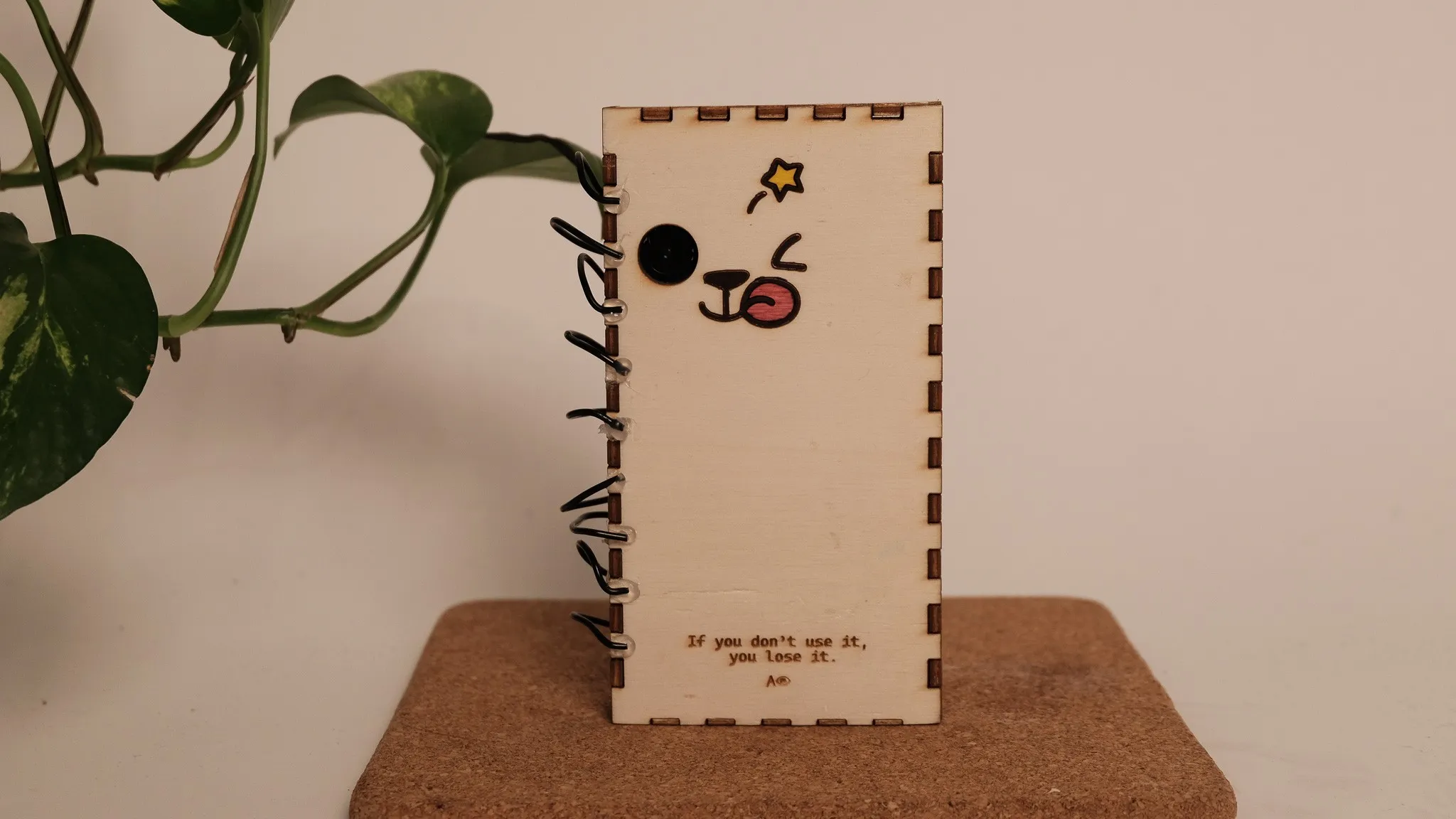
A companion that helps you remember, naturally.
The short version
About 1 minute
- Situation
- A team project at CIID about how we remember everyday tasks.
- Problem
- Relying on digital tools for memory, like setting reminders on a smartphone, can weaken memory retention. We wanted to help people stay self-reliant instead.
- What made it hard
- The reminder had to prompt recall, not simply hand over the answer.
- A device with a built-in camera raises real privacy questions.
- My role
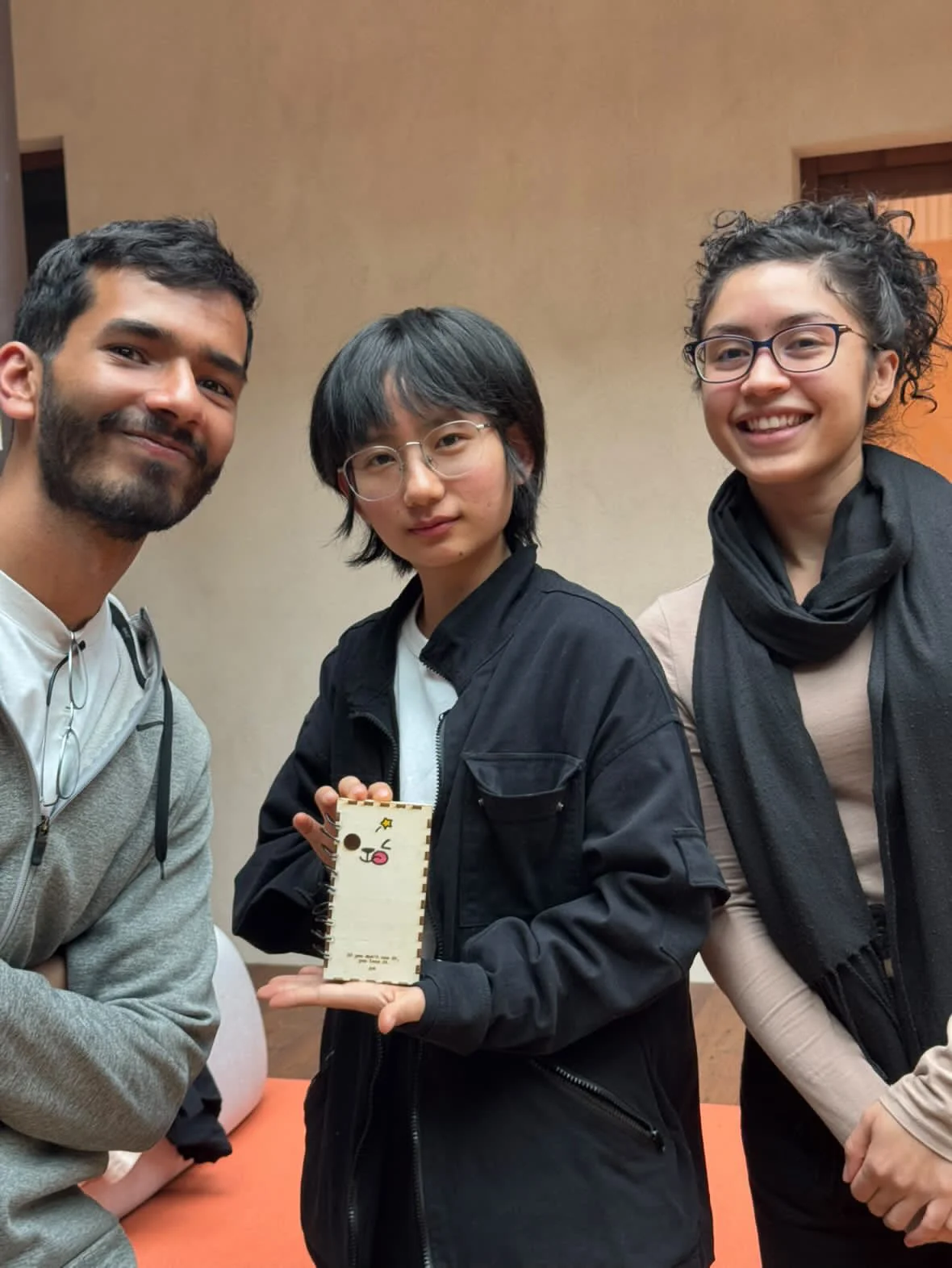
A three-person team project with Alondra Arguello and Vedant Jain.
With Alondra Arguello, Vedant Jain
- Key decisions
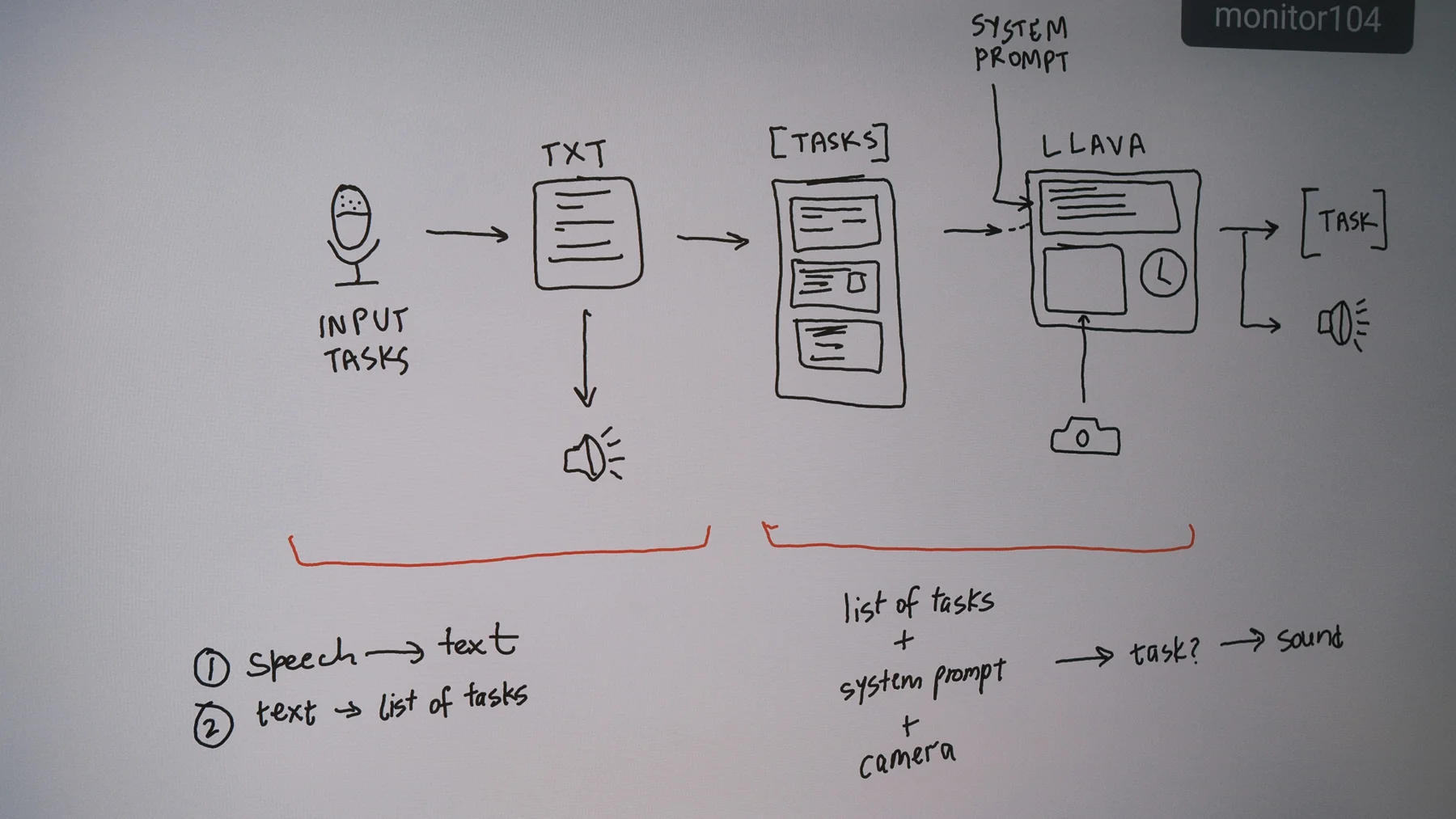
- You speak your tasks into the device, for example: Water the plants and call Mum at noon.
- Each task gets its own sound, so the reminder is a cue to remember rather than the answer itself.
- A built-in camera triggers reminders from your surroundings, like a watering sound near a plant, or a gentle chime at a set time.
- Outcome
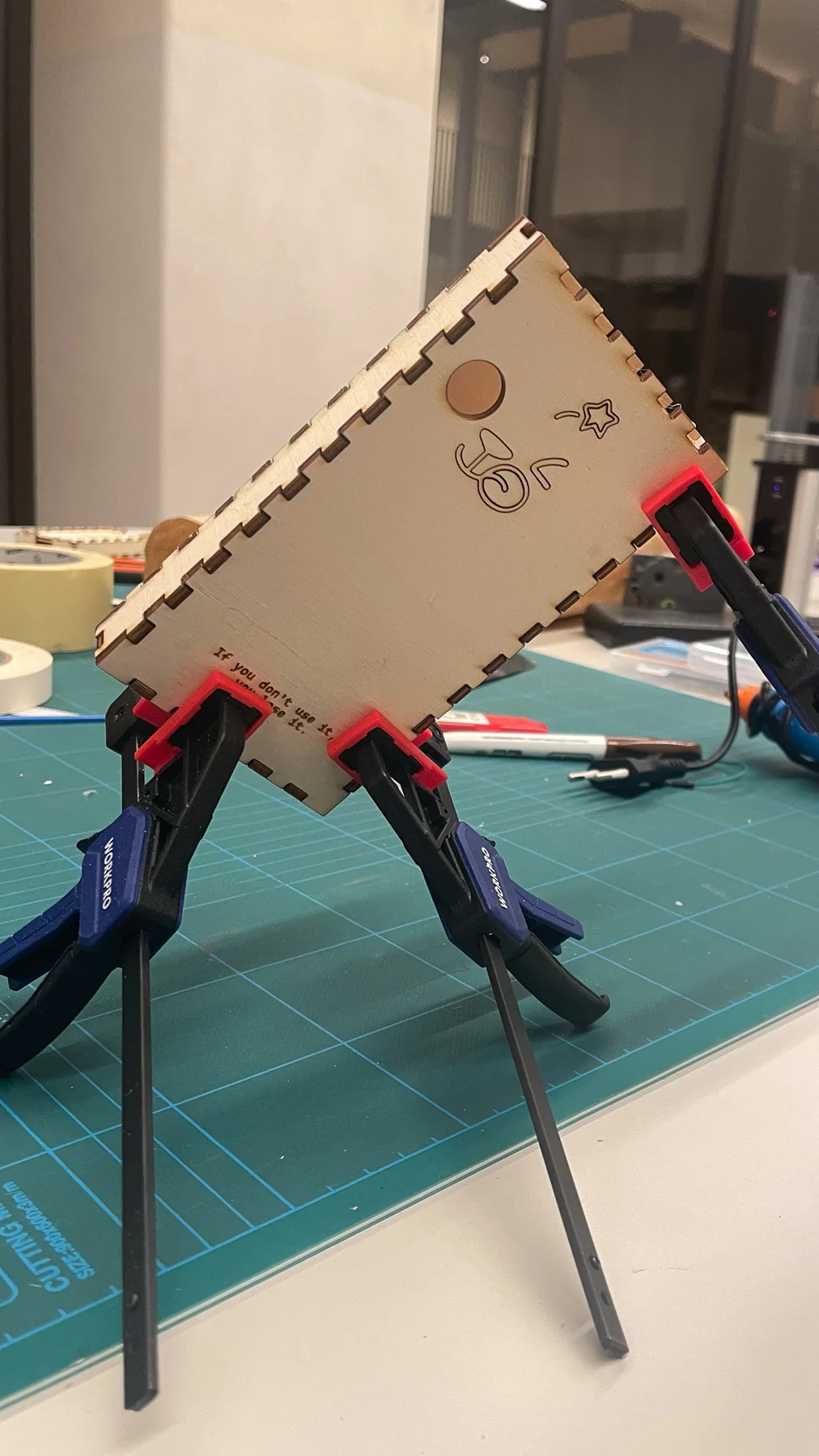
- A working wearable prototype. We learned the importance of balancing technology with human cognition. Next would be addressing privacy concerns and exploring ways for people to customise it.
Details
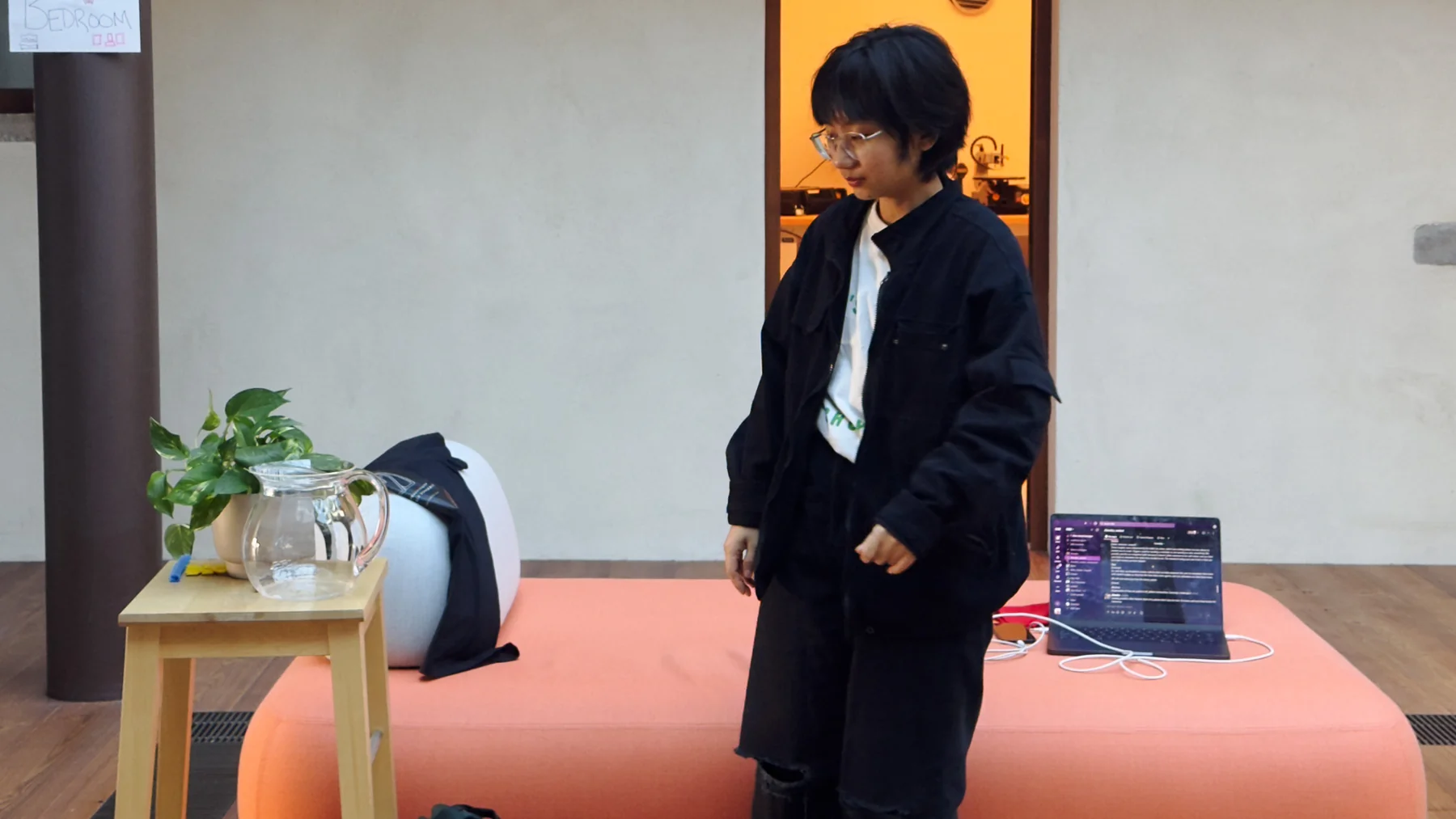
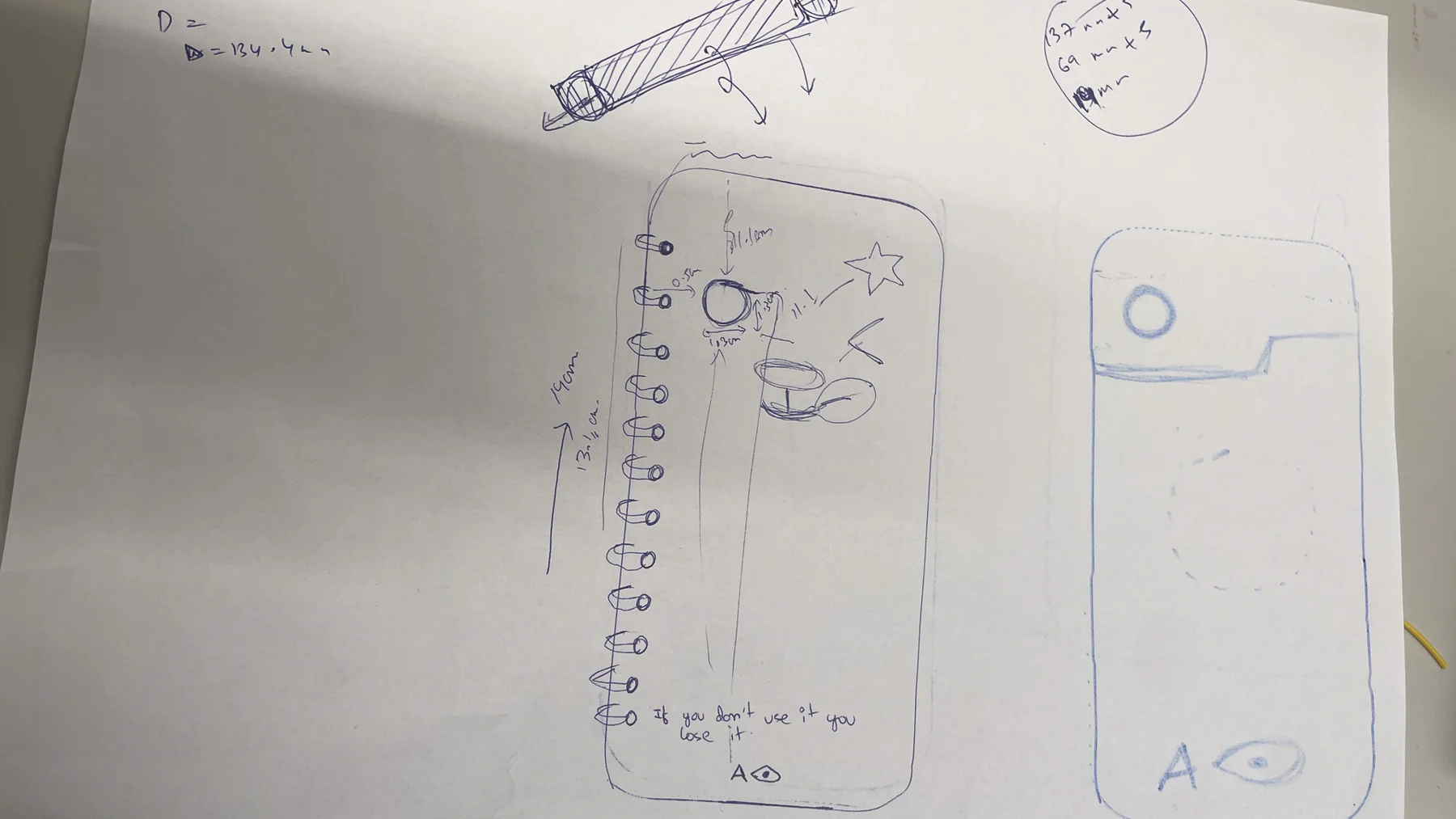
Users speak their tasks into the device, for example, “Water the plants and call Mum at noon”. The device assigns a relevant sound to each task and uses a built-in camera to trigger timely reminders based on the environment. That could be a watering sound near a plant, or a gentle chime at a specific time. The user then tries to recall the associated task. It’s for people who want to become more self-reliant with task management.
What’s next
We plan to address privacy concerns and explore options for people to customise it. Building it taught us the importance of balancing technology with human cognition.